

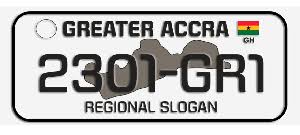
High Court Rejects Applications Against DVLA’s Number Plate Initiatives
In a significant ruling, the High Court has dismissed two key applications filed by a coalition of vehicle embossment companies aimed at halting the Driver and Vehicle Licensing Authority’s (DVLA) plans for the embossment and distribution of vehicle number plates for 2026.
The applications, submitted by 26 companies along with their parent association, challenged a new contract awarded by the DVLA. The motions, presented to the court on December 22, 2025, and January 5, 2026, were argued before the judge on Tuesday.
The first application sought an injunction to prevent the DVLA and the appointed contractor from producing or distributing the new number plates until a final decision is reached. The second application aimed to stop any embossment or distribution of number plates in all formats—including digitalized versions—until the matter is resolved.
However, the presiding judge dismissed both applications, determining that they lacked substantive merit.
The plaintiffs’ primary claim is that the DVLA’s recent contract for embossment is null and void. They argue that an earlier approval for 27 of their members to conduct embossment operations, alongside historical practices, created a binding agreement that has not been formally retracted. Additionally, they allege that the DVLA owes their members outstanding payments for prior embossment works.
While the DVLA is set to launch digital vehicle number plates by January 2026, the plaintiffs assert that their members were not involved in the related processes. They highlighted that the embossment cycle was expected to commence in October 2025, but this did not materialize despite official announcements.
According to the plaintiffs, the DVLA Chief Executive disclosed on October 27, 2025, that the embossment contract had been awarded to Dr. Nyarko Esumadu Appiah of Original Manufacturing and Embossment (Daasebre), a decision later corroborated by the Deputy Chief Executive.
Describing the DVLA’s actions as unfair and an overreach of administrative authority, the plaintiffs argue that for over 30 years, embossment and manufacturing contracts have been awarded separately to avoid conflicts of interest. They believe that awarding both contracts to a single entity while excluding 46 other companies and sole proprietors constitutes discrimination and illegality.
The plaintiffs further allege violations of the Public Procurement Act, 2003, claiming that the contract was neither advertised nor received necessary sole-source authorization from the Public Procurement Authority. Although they support the introduction of digital number plates, they propose a six-month deferment of the rollout to ensure proper planning and meaningful stakeholder engagement.
They warn that in the absence of court intervention, more than 3,000 employees tied to their companies may face financial difficulties.
As the situation continues to unfold, the impact of the DVLA’s decisions on vehicle embossment companies and their workforce remains to be seen.
